Does Cupping Therapy Really Work for Back Pain? What the Science Says
Back pain is one of the most common complaints we see at Power Health & Wellness in Hoboken. Many patients ask: Could cupping therapy help with my back pain? In this post, we’ll break down what cupping is, what recent research suggests, how it’s done in practice, and whether it might be a good option for you.
What Is Cupping Therapy?
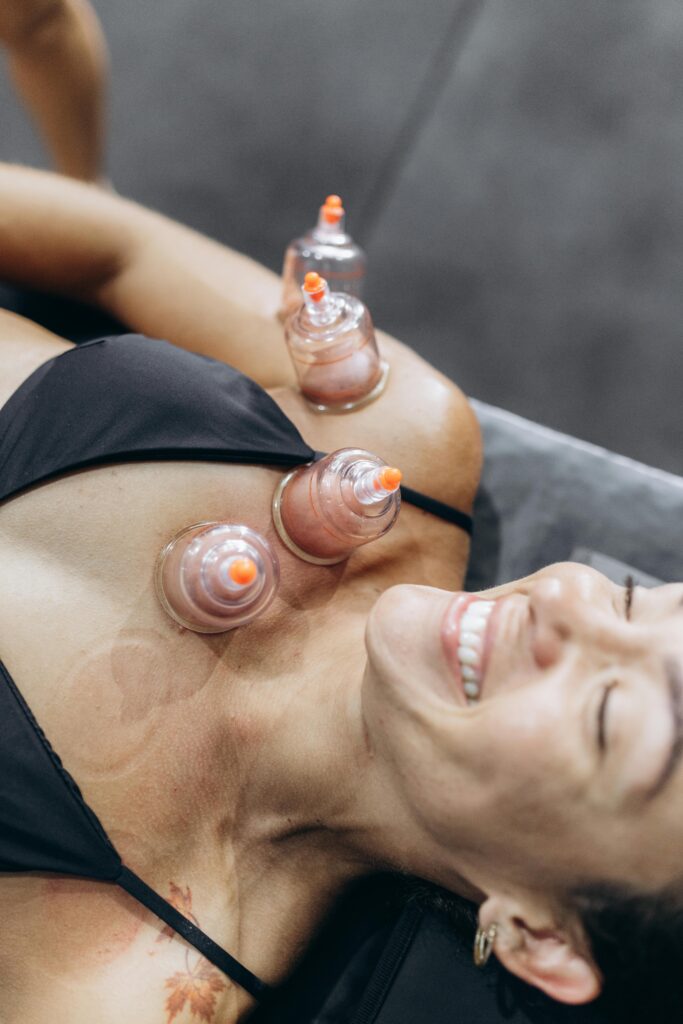
Cupping therapy is a treatment technique that’s been used for centuries in traditional medicine systems, especially in Chinese, Middle Eastern, and East Asian practices. The basic idea: cups (usually glass, silicone, or plastic) are placed on the skin, and suction is created either by heating the cup or by mechanical means. This negative pressure is thought to draw blood to the area, loosen tight tissue, promote circulation, and encourage healing in underlying muscles and fascia.
Variants include:
- Dry cupping: suction only, no incisions
- Wet cupping (or “hijama”): involves small incisions so some blood is drawn
- Moving cupping / dynamic cupping: cups are moved along the skin while suction is applied
At Power Health & Wellness, we typically use dry cupping in combination with our other therapies (like massage or chiropractic), to support tissue relaxation and circulation.
What Does Science Say About Cupping & Back Pain?
It’s natural to wonder: does it really work? The scientific literature shows mixed but promising results. Here’s a summary of what recent studies have found.
Pain Reduction
- A meta‑analysis of musculoskeletal pain found that cupping therapy produced a significant reduction in pain intensity for chronic pain patients.
- Another recent meta‑analysis focusing specifically on low back pain (LBP) concluded that there is high- to moderate-quality evidence that cupping improves both pain and disability compared to usual care or medications.
- In some studies, cupping has outperformed standard medication protocols or usual care in reducing back pain over several weeks.
However — and this is important — many studies focus on short-term effects (weeks to a few months). The long‑term impact of cupping is less certain, and some trials show diminishing benefits over time.
Functional Disability & Other Outcomes
- Some analyses find that while pain is improved, functional disability (how much your back pain interferes with daily activities) doesn’t always shift significantly. In a meta‑analysis of musculoskeletal pain, cupping did not show a strong effect on functional disability or mental health outcomes.
- Interestingly, in studies of low back pain, improvements in disability were seen in follow-up periods (1–6 months) in some trials, though results are heterogeneous
- Some trials comparing dry cupping to sham / placebo procedures show that the difference may not be dramatic, suggesting that placebo effects might play a role.
- A recent randomized controlled trial found that in people with non-specific low back pain, dry cupping added to conventional therapy did not significantly outperform conventional therapy alone in pain or disability.
Bottom line (based on current evidence):
Cupping appears to offer short‑term pain relief for many people, especially when used as a complementary therapy. The evidence for long-term structural changes, functional improvement, or superiority over other treatments is less consistent.
Why Some Hoboken Residents Choose Cupping for Back Pain
You might wonder: “Isn’t traditional chiropractic or massage enough?” Here’s how cupping fits into a holistic wellness approach — especially for certain types of back pain:
- Muscle tension & trigger point relief: Cupping can help relax tight muscles and reduce adhesion in fascia layers.
- Enhanced circulation / vascular effect: The suction effect can draw extra blood flow to the area, helping with nutrient delivery and waste removal.
- Adjunct to other therapies: Many patients pair cupping with chiropractic adjustments, massage, or physical therapy to support greater mobility and recovery.
- Local appeal: For those dealing with repetitive strain (e.g. desk jobs, commuting, poor posture), cupping offers a non-pharmacological option to relieve muscular back strain.
Still, it’s not a magic bullet. Ideal candidates are often those with muscle-dominant, non-structural back pain (i.e. not severe spinal pathologies) who are open to integrative treatments.
What to Expect During a Cupping Session at Power Health & Wellness
Below is a step-by-step of how we integrate cupping into your treatment plan:
- Initial assessment & consultation
We discuss your history, pain patterns, medical background, and read any imaging you may have. - Treatment preparation
You lie face down or in a comfortable position while the skin in the targeted area is cleaned. - Cupping application
We apply cups using suction (mechanical or manual). Sometimes we combine static cupping (cups stay in place) or moving cupping (we glide the cups). - Duration & sensation
You’ll typically feel light pulling or stretching, sometimes warmth. Cups may stay for 5–15 minutes (or slightly longer depending on the protocol). - Monitoring
Our therapists check in to ensure comfort, adjust suction, or reposition cups as needed. - Post‑session care
After cups are removed, you might feel temporary sensation changes, light bruising, or improved looseness. We often follow with gentle massage, stretching guidance, or heat/ice if indicated. - Follow-up & staging
We monitor response over subsequent visits, adjust intensity and frequency, and combine with other modalities for best outcomes.
Some patients get noticeable relief in their first few sessions; others require several weeks to see consistent results.

Why Choose Power Health & Wellness for Cupping Therapy in Hoboken
At Power Health & Wellness, we bring together deep expertise, modern safety standards, and a holistic philosophy:
- Licensed and experienced therapists who integrate cupping, chiropractic, massage, and acupuncture
- Personalized care plans based on your specific back pain patterns
- Local convenience — serving Hoboken, Weehawken, West New York, and nearby areas
- Transparent communication and education: you always know why we choose a certain technique
- Safe, sanitary environment and modern equipment
If you’re searching “cupping therapy Hoboken NJ” or “back pain cupping near me,” you’ll find we’re proud to serve as a trusted local option.
FAQs About Cupping & Back Pain
Does cupping hurt or leave marks?
You might feel a mild pulling or stretching sensation during cupping — it’s generally not painful. Afterward, light red to purple circular marks (bruises) are common. These are harmless and typically fade within a few days to a week.
How many sessions will I need?
It depends on your condition’s severity, duration, and how you respond. Some relief may appear in 2–4 sessions; for chronic pain, a course of 6–8 or more may be necessary.
Can I combine cupping with chiropractic or massage?
Absolutely. In fact, combining cupping with other modalities often yields better results. Cupping relaxes muscles and fascia, making your body more receptive to adjustments and deeper soft tissue work.
Is cupping safe for everyone?
Cupping is generally safe when done by trained professionals. But it’s not recommended in certain conditions: open wounds, skin infections, deep vein thrombosis, severe bleeding disorders, or during pregnancy (in certain areas). Always inform your provider of any health conditions or medications.
Final Thoughts & Invitation
Cupping therapy isn’t a cure-all, but it has a growing evidence base and a role to play in a holistic back pain treatment plan. For suitable candidates, it offers a non-pharmaceutical way to reduce pain, loosen tissues, and support healing — especially when paired with other therapies.
If you’re curious whether cupping might help your back pain, we’d love to evaluate your case. Contact Power Health & Wellness (Hoboken) to schedule a consultation or your first cupping session. You don’t have to live with persistent back pain — let’s see if we can help.
